






When Anne Steptoe enrolled in medical school at Brown University on Rhode Island, she aspired to improve the wellbeing of her community.
However, she felt unconnected to the people whom she was trying to help. “I wanted to champion social justice, but had few opportunities to do so,” Steptoe says, frustrated.
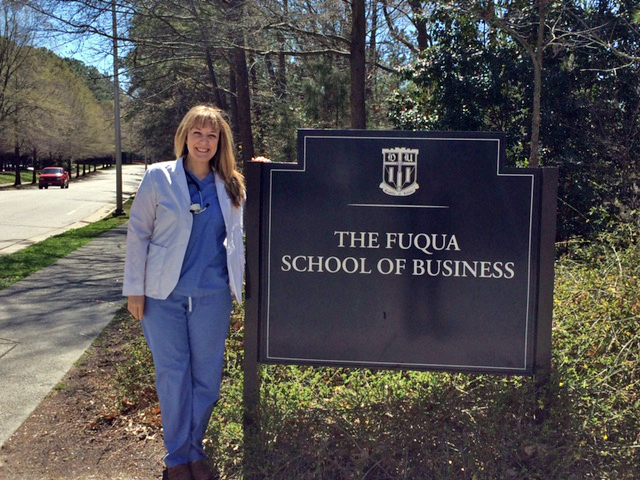
So she dropped out, devised an idea for a healthcare startup, MedServe, and enrolled in an MBA at Duke University's Fuqua School of Business in North Carolina to learn how to become a social entrepreneur. “The core MBA modules, such as finance and strategy, are incredibly valuable to a business founder,” she says. MedServe pairs recent medical graduates with communities to help alleviate the primary care shortage in North Carolina.
Duke provided MBAs a US$10,000 grant
Steptoe used the two-year degree to create her business plan. Duke’s Center for the Advancement of Social Entrepreneurship (CASE) offers MBAs a US$10,000 grant to develop a social enterprise during the summer holiday, usually reserved for corporate internships.
“That paid for us to travel around North Carolina, interviewing 30 clinics about the type of human capital gaps they had,” Steptoe says. “We also interviewed college students who wanted to pursue medical careers to see how many might sign up for MedServe.”
MedServe also entered the Duke Startup Challenge, winning an additional US$12,000-15,000 of seed funding.
The money was helpful, but the biggest benefit of the MBA was the mentorship Steptoe received from Dan Heath, a Duke affiliate professor.




Get closer to your dream programme
Your consent preferences have been set.
Time to start exploring.
Your account has been removed.
You can still browse the site or sign up again once you have parental consent.
Get closer to your dream programme