







The GMAT has long been used to assess MBA applicants worldwide, especially at top business schools. It requires a high level of preparation, and a high score on the test can make or break your acceptance.
Nevertheless, some leading b-schools across the globe are allowing candidates to apply without taking admissions tests such as the GMAT, GRE, IELTS and TOEFL.
Is the GMAT a good test for all?
With the rise of online and offline courses foregoing the GMAT, the question is whether students should still consider taking it or not. The answer is most likely still yes, but not for everyone.
One problem with the GMAT is that it doesn’t cater to those who have long been out of the testing arena. For instance, working professionals (the type who is considering an online program for exactly the reason that they want to stay in their job) will have a tougher time preparing for the GMAT than recent graduates, but this does not necessarily mean they shouldn’t be considered for a good MBA program.
On top of this, a low GMAT score doesn’t necessarily mean a candidate isn’t equipped to be an MBA student. There are some elements the GMAT can’t gauge, for instance a long history of professional success, strong academic records, as well as interpersonal skills. Being more of a science rather than an art, the GMAT can overlook these parts and make it harder for skilled mid-career professionals to get onto top MBA programs.
The argument for making the GMAT compulsory is that schools need to enroll students who are capable in all the key areas in order for the class to move along at the right pace. This is particularly an issue in the quantitative subjects with which many students can have trouble.
Despite this, an online MBA, no GMAT required, is able to offer a wider pool of students from diverse backgrounds across the globe and significally reduce the stress of the application process.
GMAT vs GRE
The GMAT, at US$250 a time, is not a cheap exam to take. There is also the additional expense of a GMAT preparation course, which helps students maximize their chances of getting a high score. Many of these are online and easily accessible but they do come with a price tag - even the cheaper options will set you back at least US$100. Many would argue GMAT preparation courses are worth their weight in gold, but on top of the fee for the actual tests themselves, and the possibility of having to retake the exam, schools offering courses without either test begin to look very appealing.
The GRE (Graduate Report Examination) is another test accepted by many b-school, which costs between US$205 and US$255 and has become increasingly popular amongst b-school applicants.
In the battle of GMAT vs GRE, the GRE is has quickly gained recognition because it can be used when applying to a range of other graduate subjects.
Overall, despite the test subject matter being very similar in both, the GMAT is better suited to candidates with honed quantitative skills while the GRE appeals more to those with excellent written and verbal skills who are keeping their options open.
Online MBA no GMAT required
If you’re considering an online MBA, here are programs that you won’t need a GMAT score for.
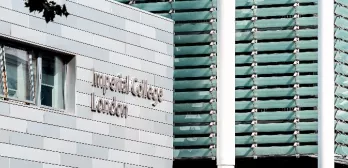
Imperial College Business School
The Imperial Global MBA from Imperial College Business School, ranked secondin the QS Distance Online MBA Rankings 2020, is an example of a fully accredited online MBA from a leading business school that does not require a GMAT score. The main criterion instead is that applicants have at least five year’s continuous full-time work experience in a relevant field. Candidates who do not have an undergraduate degree or professional qualification may still be considered based on their work experience alone if they pass an SQE (Special Qualifying Examination).





Get closer to your dream programme
Your consent preferences have been set.
Time to start exploring.
Your account has been removed.
You can still browse the site or sign up again once you have parental consent.
Get closer to your dream programme