






Sponsored by Tsinghua University
About 90 percent of startups fail, with 10 percent of them failing in just their first year of business.
A good business idea on its own is no longer enough if you want to succeed in today’s competitive marketplace. On paper it might seem like you’re on to a winner, but in reality you’re going to need a lot more than just that to get your business off the ground (and keep it off the ground).
Business schools are becoming an entrepreneur ecosystem. Over the last three years, 25 percent of general management education candidates aspire to pursue a career in entrepreneurship, according to a report by the General Management Admissions Council (GMAC).
To learn why being a successful entrepreneur isn’t just about the idea, we spoke with the experts at Tsinghua University in Beijing to find out more.
Patience, passion, and playing the long game are key
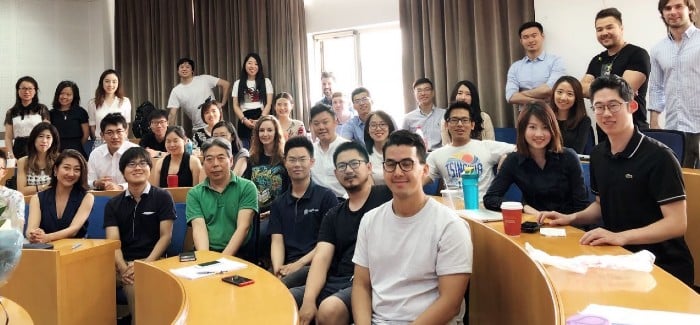
Image: Professor Gao Xudong with MIT-Tsinghua Entrepreneurial Strategy course students.
Image credit: Tsinghua University
Unfortunately, there is no perfect entrepreneurial personality that can serve as a winning template for success. In fact, a quick internet search query for ‘what makes a successful entrepreneur?’ will throw millions of results back – many of which reel off a catalog of particular skills and qualities.
In other words it can all be a lot to take in.
While being dynamic, agile, resilient, and curious are important, strategic thinking, good time management, excellent communication skills and good knowledge of business-related areas are what you’ll need if you want your vision to become a reality.
When it comes to the MIT-Tsinghua Entrepreneurial Strategy course at Tsinghua University, “it is intended to provide the most important and most advanced knowledge about entrepreneurship to Tsinghua SEM students,” explained Professor Gao.
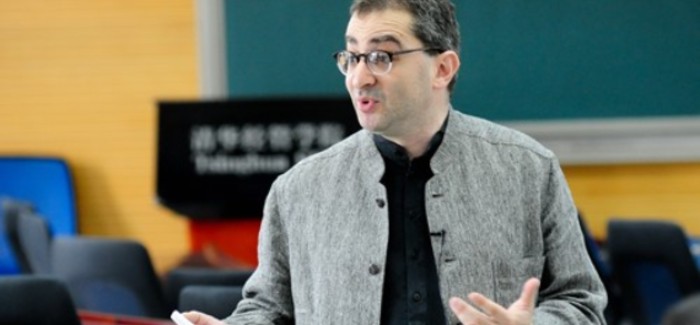
Professor Gao Xudong, from Tsinghua University School of Economics and Management, is one of the leading entrepreneurship professors, along with Professor Scott Stern and Professor Pierre Azoulay from MIT Sloan School of Management to manage the three-month long sandwich course.
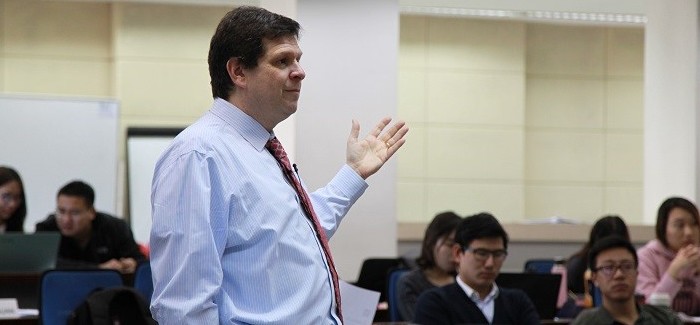
Professor Azoulay also talked about the need for “more of an action-oriented aspect of class.
“We came up with the projects where the students work in teams with local startups and help think through their strategy in light of what they’ve learned during class.
“And on the final day of class students present their projects and highlight what they’ve learned and how those ideas have been helpful and unhelpful for them to help the companies,” he added.








Get closer to your dream programme
Your consent preferences have been set.
Time to start exploring.
Your account has been removed.
You can still browse the site or sign up again once you have parental consent.
Get closer to your dream programme