






According to the Executive MBA Council, just 30 percent of all executive MBA students last year were women. This number may sound low, but it’s a record high, and although there’s a long way to go until gender parity, several EMBA programs deserve credit for increasing their proportion of female students.
There are usually several factors linked with gender disparity on EMBA programs. Most commonly cited is that family and household duties often fall to women, so the work-life balance can make it more difficult for women to pursue an EMBA.
Another potential setback is that programs are often extremely expensive. As the gender pay gap means women generally earn less than men, high fees associated with EMBA programs may be more daunting for women.
As well as ranking the best EMBA programs around the world, the QS EMBA Rankings 2019 also collected data on the percentage of women enrolled on each of the ranked executive MBA programs.
You can see the overall Global EMBA rankings here, and the Joint Rankings here.
QS Global EMBA Rankings 2019 – Top 10 for Proportion of Women | |||
Rank | School(s) | Location(s) | Female Students (%) |
1 | Shanghai | 62 | |
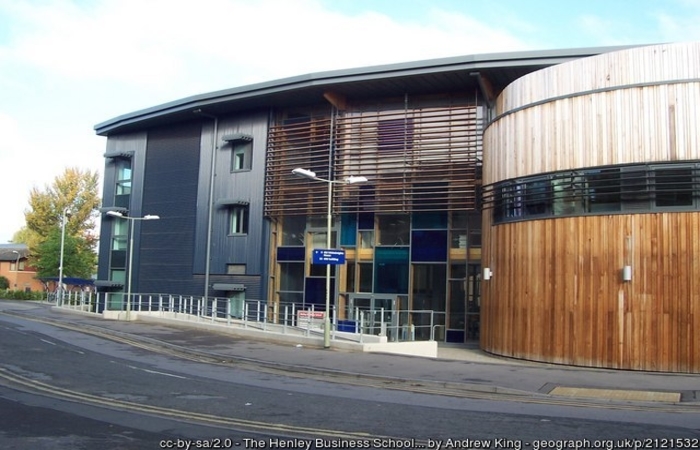
=2 | Henley-on-Thames | 60 | |
=2 | Hong Kong | 60 | |
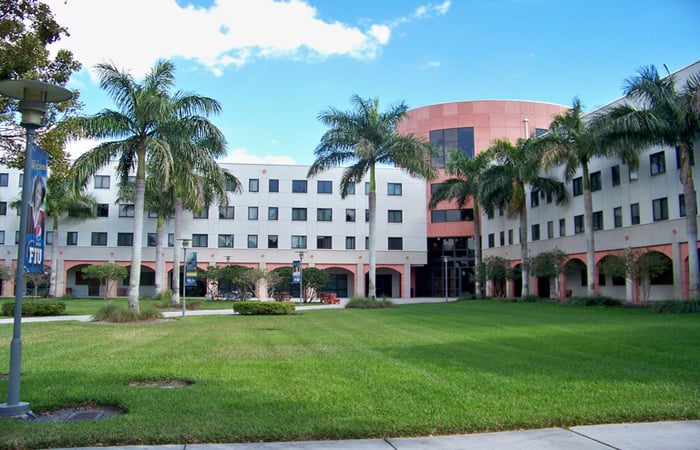
4 | Miami (FL) | 57 | |
5 | Phoenix (AZ) | 52 | |
6 | College Park (MD) | 46 | |
=7 | Barcelona, Madrid | 45 | |
=7 | Beijing, Singapore, Fontainebleau, Abu Dhabi | 45 | |
9 | Kingston (ON) | 44 | |
10 | Gordon Institute of Business Science - University of Pretoria | Johannesburg, Durban | 42 |
10) Gordon Institute of Business Science, University of Pretoria
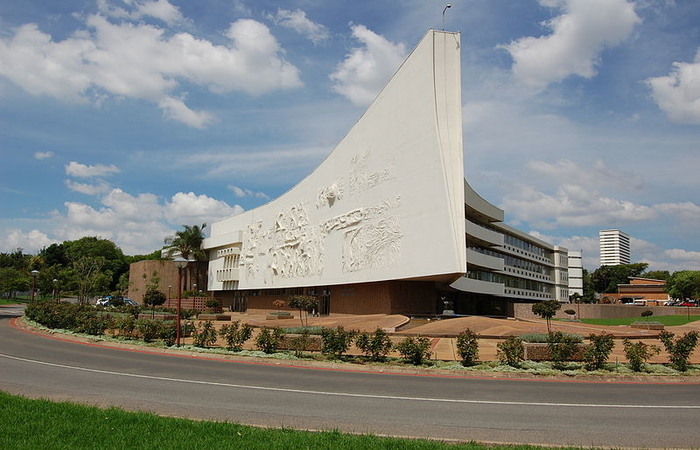
Proportion of women: 42 percent
Global EMBA ranking: 48
Kicking off the top 10 is the Gordon Institute of Business Science (GIBS) at the University of Pretoria, where 42 percent of students on the Executive MBA program are female. The program achieved perfect scores for career outcomes and diversity.
The 24-month program has both evening and weekend classes. In fact, it’s the only South African EMBA program to appear in the global rankings. The average participant has 12 years’ work experience, with six years’ managerial experience.
The total tuition fees are R260,700 (approx. US$18,660), plus an additional US$4,620 to US$6,820 for a compulsory global module.
9) Smith School of Business at Queen’s University
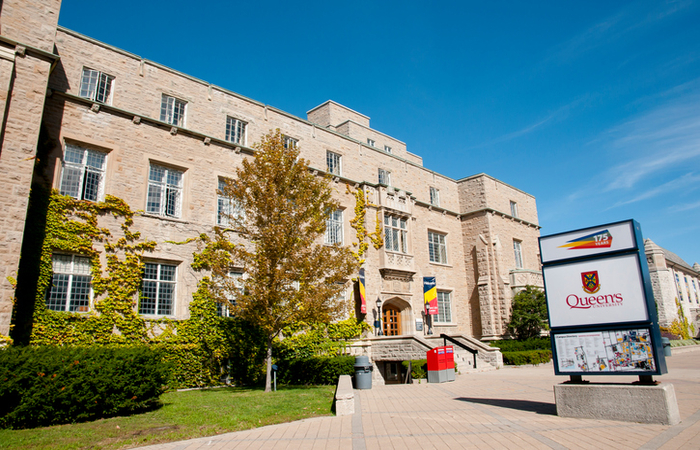
Proportion of women: 44 percent
Global EMBA ranking: =37
Next in the table is the Smith School of Business at Queen’s University, which achieved a perfect score for diversity and high scores in other ranking indicators, particularly career outcomes.
The 16-month program is taught on Fridays and Saturdays every other week. You can learn from anywhere in Canada, not just Queen’s Kingston campus, studying at one of their Boardroom Learning Centers or online at home or the office as part of a ‘virtual boardroom’.
The average age of participants is 38, with 15 years’ work experience. Total program fees are CND$102,000 (approx. US$76,250).
=7) Tsinghua/INSEAD

Proportion of women: 45 percent
Joint EMBA ranking: 5
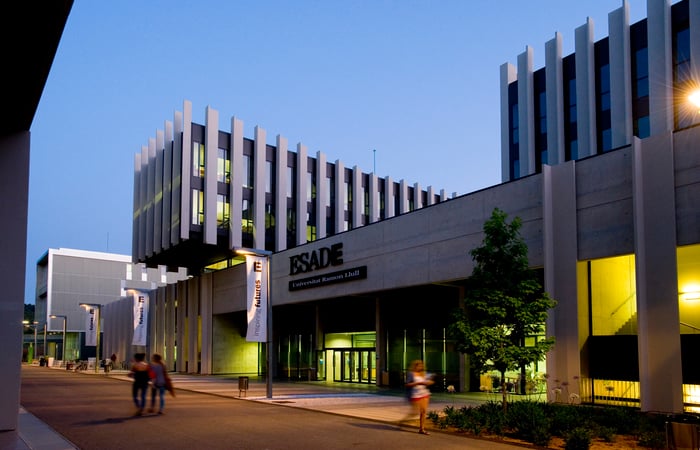
Tsinghua University School of Economics & Management and INSEAD’s (pictured) joint program scored highly across all ranking indicators, including a perfect score for employer reputation.
The 22-month program has tuition fees of US$125,000, with 12 weeks of on-campus classes equating to 59 days out of the office. Participants will spend five weeks in Beijing, three weeks in Singapore, two weeks in Fontainebleau, one week in Abu Dhabi and another in Shenzhen.
The most recent cohort has an average age of 37, with 14 years’ work experience. Financial services are the most common background industry (29 percent), but healthcare and technology are also well represented (13 percent and 11 percent).












Get closer to your dream programme
Your consent preferences have been set.
Time to start exploring.
Your account has been removed.
You can still browse the site or sign up again once you have parental consent.
Get closer to your dream programme