






Roland Siegers is the executive director of the CEMS Global Alliance (eighth in the QS Masters in Management Rankings 2018), a consortium of 30 top global business schools (one in 30 different countries) that each run a Masters in Management (MIM). We sat down with Roland and asked him why he believes the business masters is such a hot topic right now.
Tell us a bit about your role as executive director at CEMS
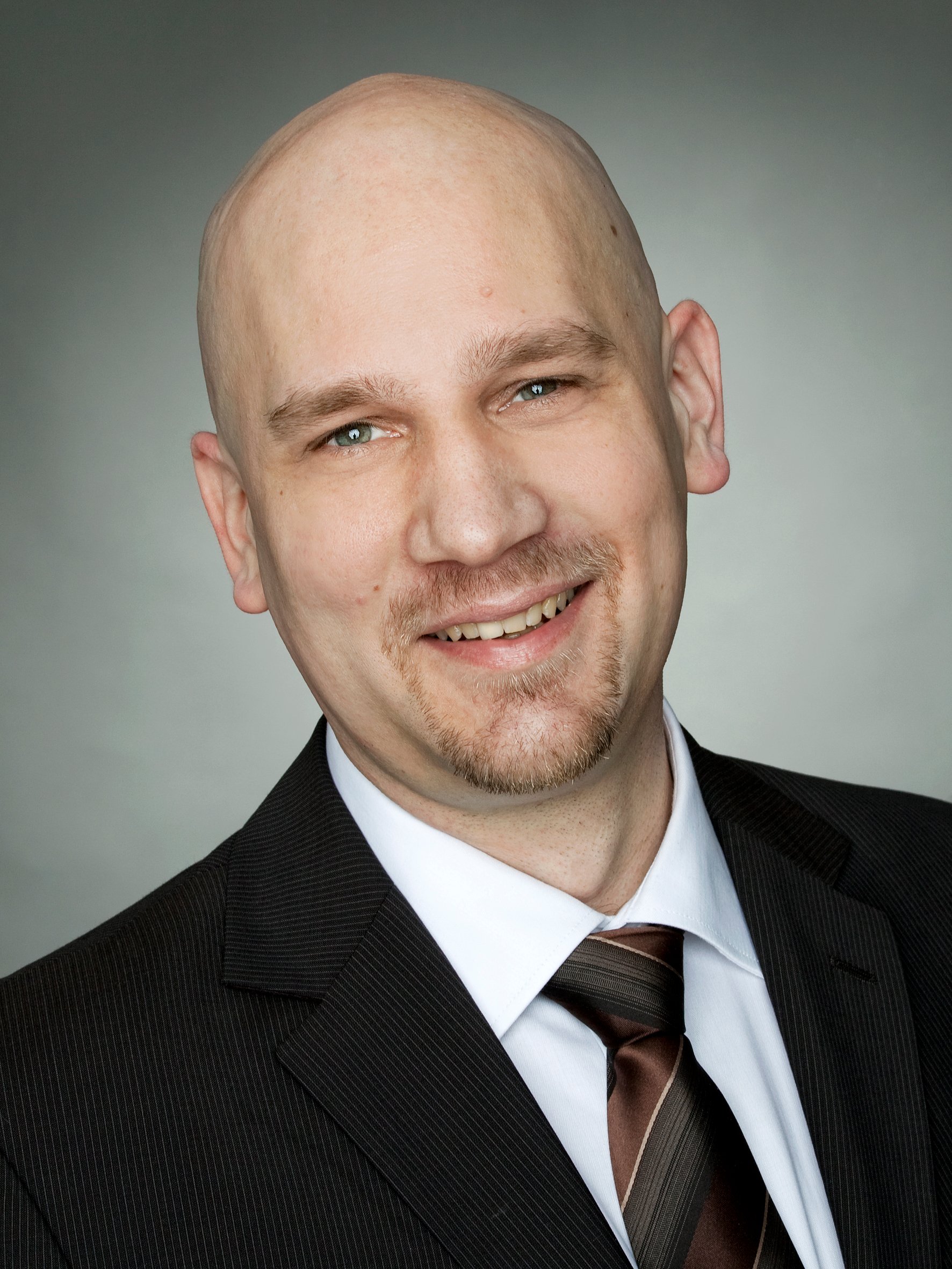
CEMS is an international organization with over 100 stakeholders (schools and corporations). My role is to keep the network together and to align the strategy, ensuring that all the partners are on board, and that we deliver on that strategy. I speak with many different people to make sure that everyone understands the journey of the MIM degree and our focus on educating responsible leaders in a more sustainable and inclusive world. It’s very much a political role.
The other part of my role is to explain who we are and what we do to the public. Specifically, I understand my role in the business as the prime advocate and lobbyist for the masters in management degree, which is not fully understood broadly. But, awareness is rising, and I’ve been speaking about this rise for quite a while now; what it constitutes, and why companies are starting to become interested in this qualification.
How useful are rankings to prospective students?
Rankings are very useful because the world of business education (and the world overall) is becoming more difficult to understand…and for good reason. Many great international institutions are teaching in English across the globe, outside the Anglo-Saxon world, and they want to compete and be challenged against international quality standards.
This includes big players in small countries such as Sweden, Denmark or Austria, who have one champion that is never going to be challenged by Graz or Gothenburg for example. But it really wants to be challenged by its peers in Europe and across the wider world.
So, rankings ideally help to make some sense of this. Especially in a population of undergraduate students, (specifically when looking at graduate degrees) who are extremely mobile and for whom the location is as much a consideration as the educational journey, or the brand recognition of the institution.
However, rankings need to be taken with a grain of salt.
The first point is that ranking one-by-one is of course statistically very dangerous. It implies there is a big difference between number one and 10, whereas we know from statistical analysis that clusters and distances are what really matter. Students should ideally be educated to understand things like clustering and what exactly each ranking is measuring – as they measure very different things sometimes. If you actually match your expectations to what’s important for you within the ranking criteria, then you’ll have great information.
What do you look for from students / what type of people are cut out for management roles?
Management roles are changing because business is changing, and the world is changing. I think we have to start looking for people that are not just educationally smart, but also have character and well-rounded personalities. Most of all, they need solid ethics because we are seeing that business cannot continue the way it’s been going since the 1950s.
There are new environmental issues that need to be considered. There are very vocal groups of citizens, who are consumers, whose rights need to be respected and understood. So, a manager needs a much broader set of skills than ever before.
Also, managers today, and in the future, will need to have a stronger emphasis on communication skills. You need to explore more these days. You need to work in different cultural environments. You need a certain degree of humility. It’s become much more complex to be a manager.







Get closer to your dream programme
Your consent preferences have been set.
Time to start exploring.
Your account has been removed.
You can still browse the site or sign up again once you have parental consent.
Get closer to your dream programme