






Trinity College Dublin is an elite global institution in the top category of the QS Global 200 Business Schools Report. The average MBA starting salaries earned by its graduates rank favorably compared with many other top European business schools and it boasts a truly international student body with a total of 70% of its MBA class hailing from overseas.
A problem remains however, one that affects top business schools around the world, and that is the low percentage of women enrolled on its MBA program. The full-time Trinity MBA, class of 2014, has just 12 women in its class of 34, and, although still imbalanced is rather more equal than the 22% female statistic from just two years previous.
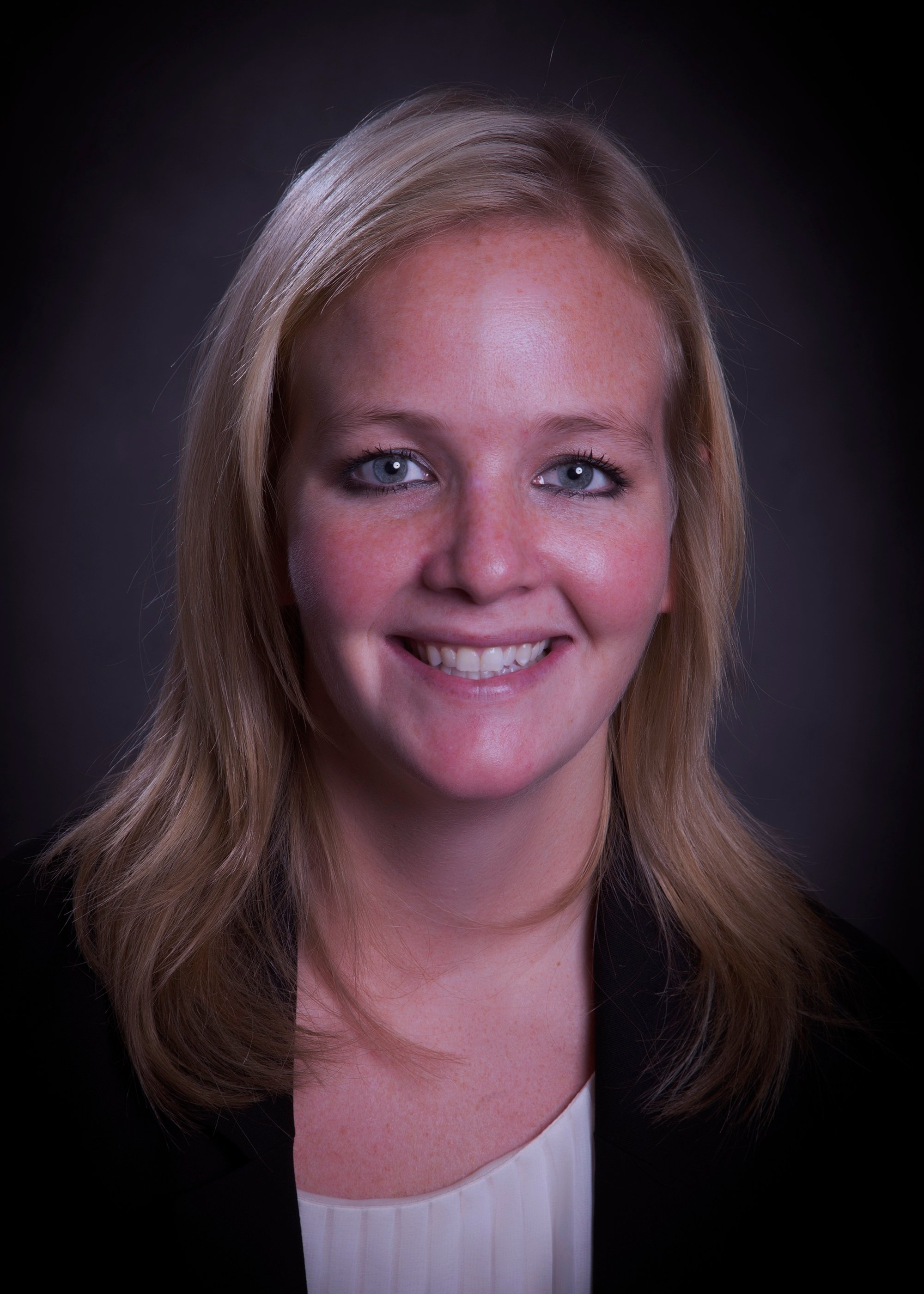 Current student Hannah Deane is part of this minority. Originally from Massachusetts, Deane completed her undergraduate degree in marketing at Bryant University, a small business school in Rhode Island, and then went on to an account management training program for industrial lighting company Lightolier, a division of the Philips group. From there, she worked as a process improvement manager for Wayfair.com, a global e-commerce company based in Boston.
Here she answers questions about her personal experience on the Trinity MBA, what life is like for women in business and why it’s important for businesses and business schools to support gender equality.
What made you want to do an MBA?
I had been toying with the idea of getting my master’s since I graduated from Bryant University. I wanted to further expand my global knowledge, personal development, and career, and it all came down to finding the right program at the right time.
Does the low percentage of women in the course have any effect on proceedings?
No - since the class is so small, the Trinity MBA program is very selective of the profile of candidates during the application process. In my experience, I have found that there is a mutual respect among men and women, with a very strong support system. I have been fortunate enough to build positive relationships with women advisers and professors outside of the course as well, who encourage weekly communication on the topic of women in business. Like most programs it is the case where the more you put into it, the more you get out of it.
Would you recommend the Trinity MBA program to other women regardless of the gender imbalance?
The make-up of the class varies from year to year, and some years there may be more women than men – in fact, the second year part-time class is an even split. The Trinity MBA is project and team-based, and I have seen a lot of the women emerge with tremendous success as the leaders in their team. Coming to Trinity to do my MBA was one of the best decisions I have made in my life both personally and professionally.
Do you find that you and the other women in your course stick together?
Groups have naturally emerged in the class based on personality type and mutual interests, but we spend so much time together that it is hard not to get to know every individual on a personal basis. The women in the class make continual efforts to have non-exclusive meet-ups, as a way for us to connect together and positively encourage each other for success. After the course is done, I would not hesitate to contact any class members, male or female.








Get closer to your dream programme
Your consent preferences have been set.
Time to start exploring.
Your account has been removed.
You can still browse the site or sign up again once you have parental consent.
Get closer to your dream programme