






Business schools across the globe are incorporating sustainability and social impact measures into their mission, including the ramping up of specialised teaching on their MBA programmes.
MBAs with a specialisation in sustainability use the trialled and tested framework of a conventional MBA with added focus on environmental and social impact in relation to business management, success and ethics.
As we head further into the climate crisis, businesses are putting more emphasis on corporate responsibility and looking for employees who can help to find creative and innovative solutions to the world’s biggest challenges.
Here's how some of the world’s top business schools are preparing graduates to be ethical, sustainable leaders.
Berkeley Haas School of Business
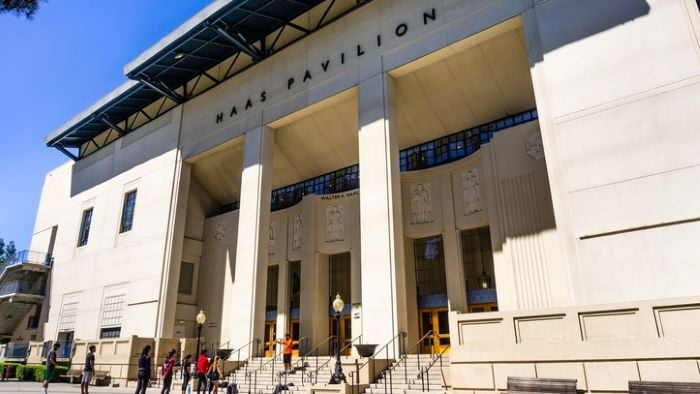
Berkeley College ranks first in the QS World University Rankings: Sustainability 2023, one of 700 institutions assessed. Haas School of Business, which provides the college’s management education, is no exception when it comes to innovation in environmental and social impact.
MBA students can choose an MBA certificate in sustainability with a focus on empowering climate conscious leaders. For an additional nine credits, students are provided with the foundational skills to evaluate operational and strategic decisions through a sustainability lens.
The school’s Sustainable Investment Fund is the first and largest student-run socially responsible investment fund within a leading business school. MBA students gain experience in delivering strong financial returns with positive social impact and through the fund, have more than doubled the original investment to over US$3 million.
Rotman School of Management
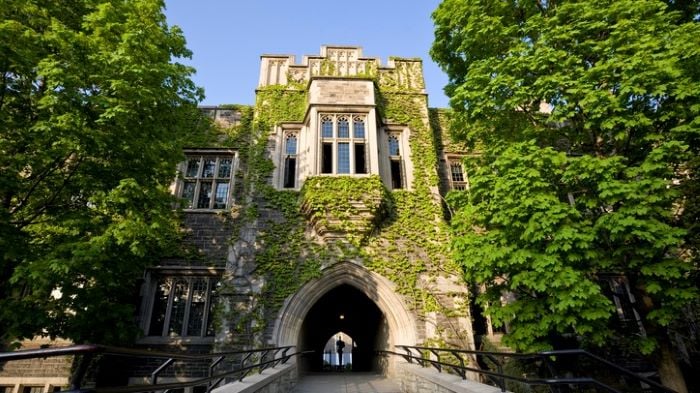
Located in the University of Toronto, which ranks second in the QS Sustainability Rankings 2023, Roman School of Management offers a variety of ways to develop leadership skills in corporate sustainability and social impact.
Modules on the MBA programme include leading social innovation, social entrepreneurship and sustainable finance.
There’s even an MBA major in social impact and sustainability, where students can study environmental, social and governance (ESG) issues in business and understand corporate social responsibility strategies.
University of Exeter Business School
The Exeter MBA can be studied full-time in over 12 months, or as an executive part-time option over 24-36 months. For the first two semesters, students focus on learning how to create a future for all, advancing their knowledge in tackling global challenges, exploring circular economy frameworks and engaging in a community project to make real impactful change in real time.
Stuart Robinson, programme director of The Exeter MBA said: “The creation of sustainable practice is now in the mainstream of industrial, societal, and technological progress globally, so we are delighted to be recognised as an MBA that offers students the skills and knowledge to take this forward in their careers.”









Get closer to your dream programme
Your consent preferences have been set.
Time to start exploring.
Your account has been removed.
You can still browse the site or sign up again once you have parental consent.
Get closer to your dream programme